
Estate & Letting Agents in Churchill, Somerset
Our Bristol, Redhill branch covers Churchill and the Langfords, under the northern edge of the Mendips, where limestone cottages and Georgian houses line a conservation area on Front Street.
Opening hours
- Mon: 09:00-17:30
- Tue: 09:00-17:30
- Wed: 09:00-17:30
- Thu: 09:00-17:30
- Fri: 09:00-17:30
- Sat: 09:00-13:00
- Sun: Closed
Meet the team

Looking to sell or let your Ilfracombe property?
We’re here to make the process easier and get you the best possible outcome.

Getting Around And Getting Away
Churchill sits where the A38 crosses the A368, and that junction is currently being rebuilt. North Somerset Council started work in May 2026 to convert the crossroads into a roundabout with smart traffic signals on all four approaches, prioritising buses and the A38, with four controlled pedestrian and cycle crossings and a bus lane on the west side. It is due to finish in early 2027 and there is lane closure and temporary signal disruption in the meantime, including night working towards the end. Worth knowing before you view, and worth allowing extra time. Once complete, the position is a good one: the A38 runs straight north to Bristol, about fifteen miles, and south towards Bridgwater, with our office at Redhill four and a half miles up the road. Yatton station is around six miles north-west for the Bristol commute, at sixteen to twenty minutes into Temple Meads. Bristol Airport is roughly five miles north, far enough that Churchill is not among the settlements named in the airport's noise action plan. Weston-super-Mare is eight miles west and Cheddar about five miles south.
The Mendip Edge, Dolebury Warren And The Churchill Name
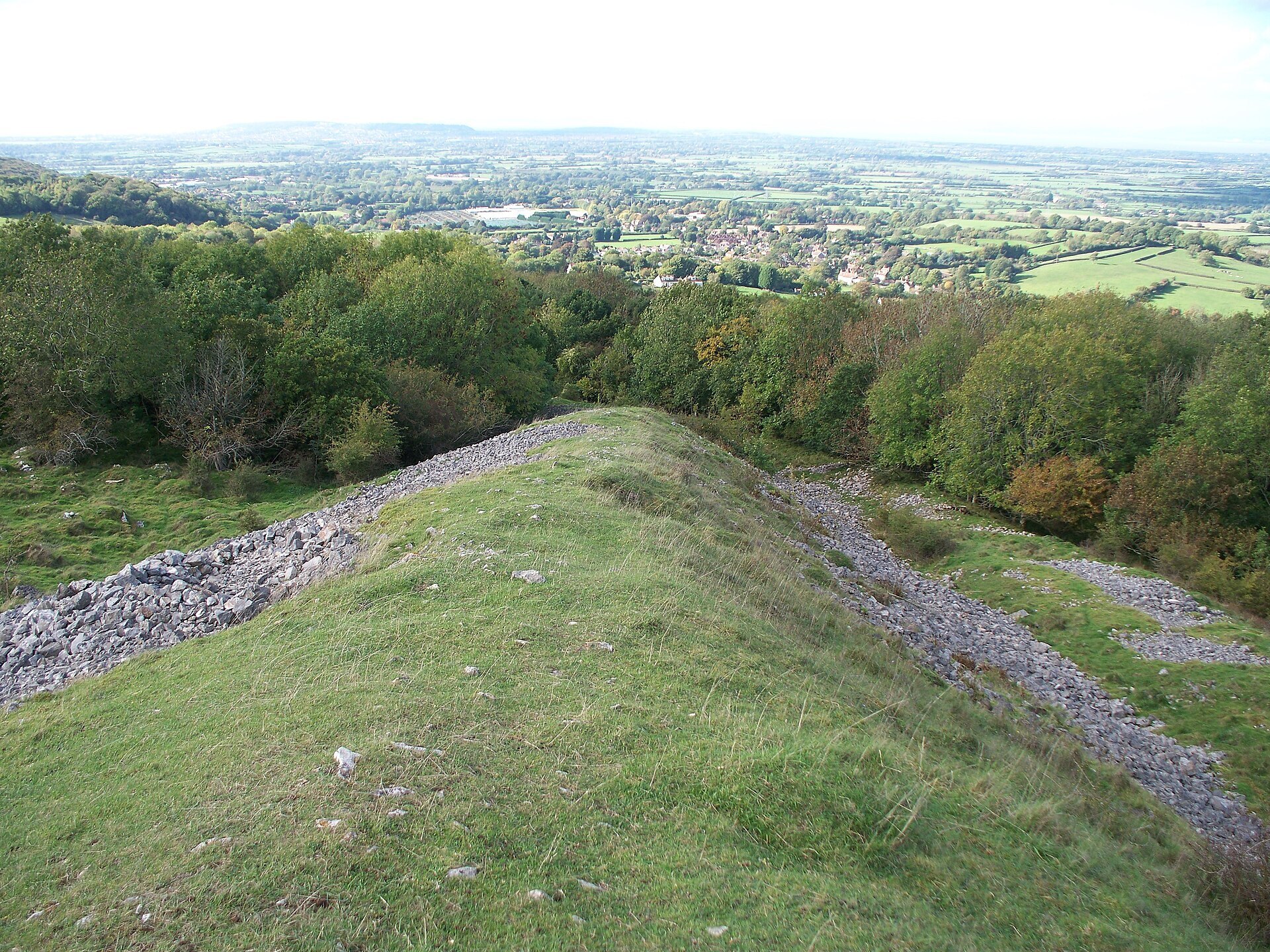
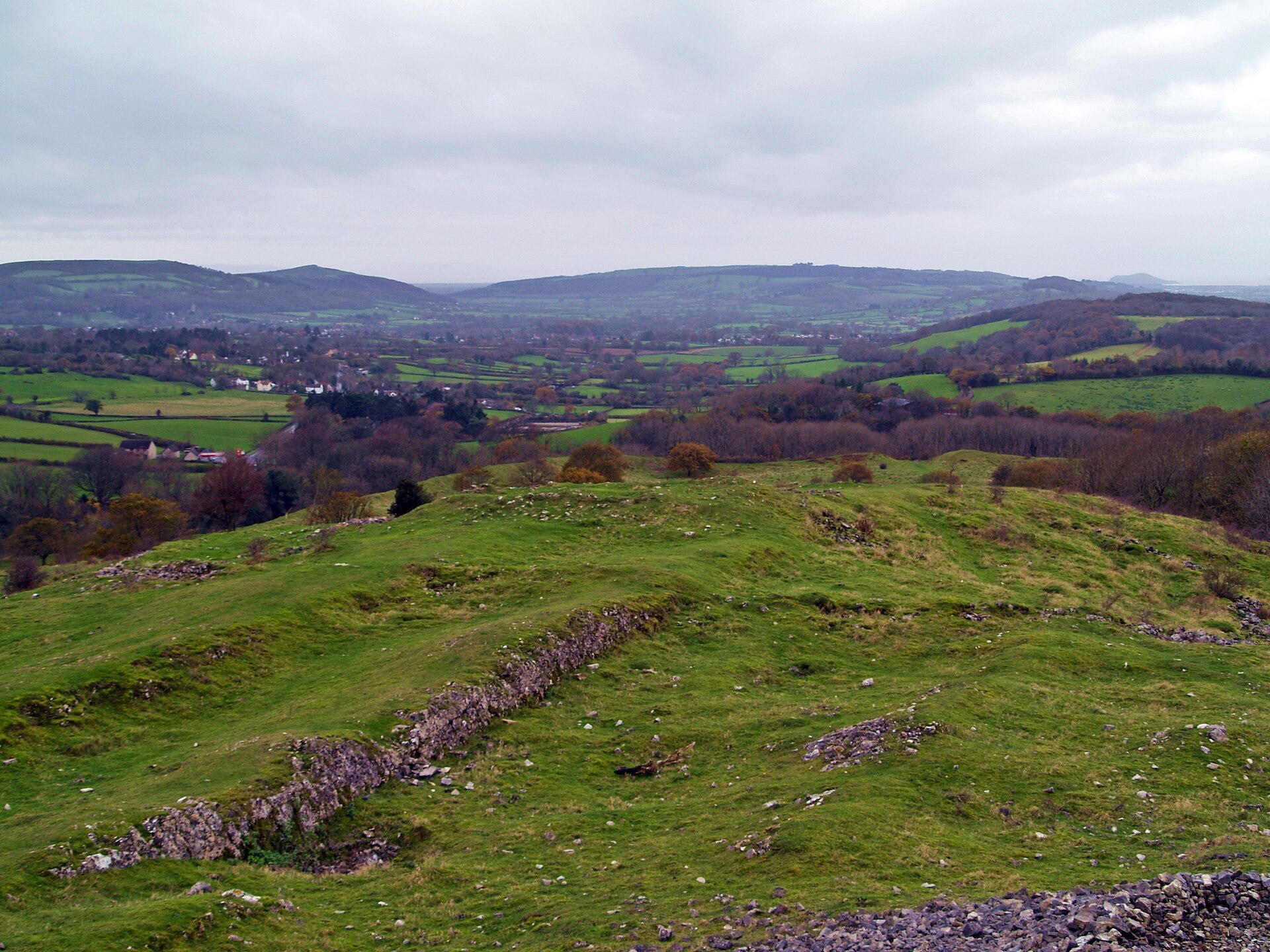
Churchill sits in a valley between Windmill Hill and the Mendip Hills National Landscape, which begins immediately to the south. Above the village stands Dolebury Warren, an Iron Age hillfort on a limestone ridge enclosing around twenty-two acres, with double ramparts on three sides standing about four metres high, finds spanning Palaeolithic flintwork to Roman coins, and a medieval rabbit warren that gave it its name. It is a scheduled monument and a ninety-hectare biological SSSI, owned by the National Trust since 1983 and managed by Avon Wildlife Trust. The parish church of St John the Baptist dates from around 1360, with its tower completed around 1486 and bells from 1520 onwards. On the village name, it is worth correcting a story that circulates locally. Sir John Churchill, later Master of the Rolls, bought the manor of Churchill in 1671, and he was a kinsman of the first Duke of Marlborough, from whom Sir Winston Churchill descended. But the village did not give the family its name: Sir John bought the estate precisely because it already bore his surname. The village name itself is much older and probably derives from an Anglo-Saxon word for a hillock, referring to Windmill Hill.
How selling with GTH works
Book Your Market Appraisal
A valuer will visit your property, walk around it with you, and provide a considered figure with evidence behind it. There is no obligation and no charge.
Prepare And Launch
We handle photography, floorplans, EPC and copy, then list across Rightmove, Zoopla, OnTheMarket and gth.net, and put your property in front of our registered applicant list.
Viewings And Offers
We carry out accompanied viewings, feed back honestly after each one, and check every offer for proceedability before you make a decision.
Sale Agreed To Completion
Your branch chases solicitors, surveyors and the chain on your behalf, and keeps you updated until the keys change hands.
Property Types And The Market In Churchill
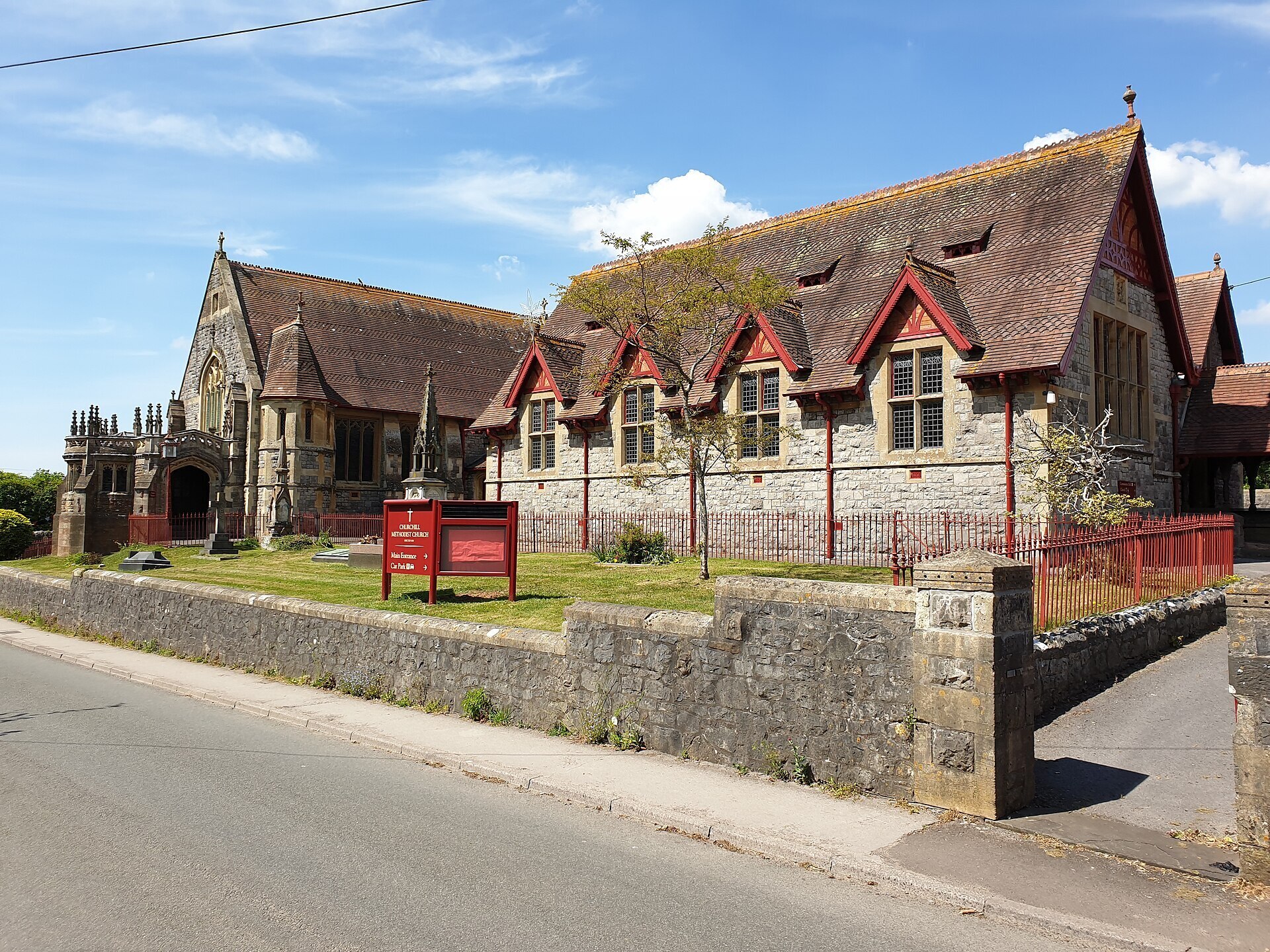
The conservation area, designated in 2020 and covering about sixteen and a half hectares of the historic core from Churchill Green to where Front Street meets Dinghurst Road, is the most distinctive part of this market. The council's own appraisal describes buildings running from the sixteenth century through to the postwar period: traditional sixteenth and seventeenth-century cottages with red and brown clay pantile roofs, larger detached Georgian and Victorian stone houses set among them, and later bungalows and modern development. The dominant material is local limestone rubble, either left exposed or rendered, with brick exceptions at the clock tower, the Methodist church and the Sidney Hill Cottage Homes. The stone boundary walls along Front Street are a defining feature and are part of what conservation area status protects. Lower Langford has its own separate conservation area, designated in 1988, and the Langford end of the parish has a distinct feel, closer to the vet campus and slightly better served for everyday needs. Demand here is driven by three things: the Mendip setting, Churchill Academy as the catchment secondary for a wide area, and the A38 as a direct route into Bristol. The roadworks are a short-term drag on viewings and will be a selling point once finished. Our Redhill team can tell you how the market is actually behaving through the works rather than guessing.