
Estate & Letting Agents in Kilve
Our Bridgwater branch covers Kilve, one of the very few places where the Quantock Hills National Landscape reaches the sea, selling and letting sandstone cottages, farmhouses and coastal property on the A39.
Opening hours
- Mon: 09:00-17:30
- Tue: 09:00-17:30
- Wed: 09:00-17:30
- Thu: 09:00-17:30
- Fri: 09:00-17:30
- Sat: 09:00-13:00
- Sun: Closed
Meet the team

Looking to sell or let your Ilfracombe property?
We’re here to make the process easier and get you the best possible outcome.

Getting Around And Getting Away
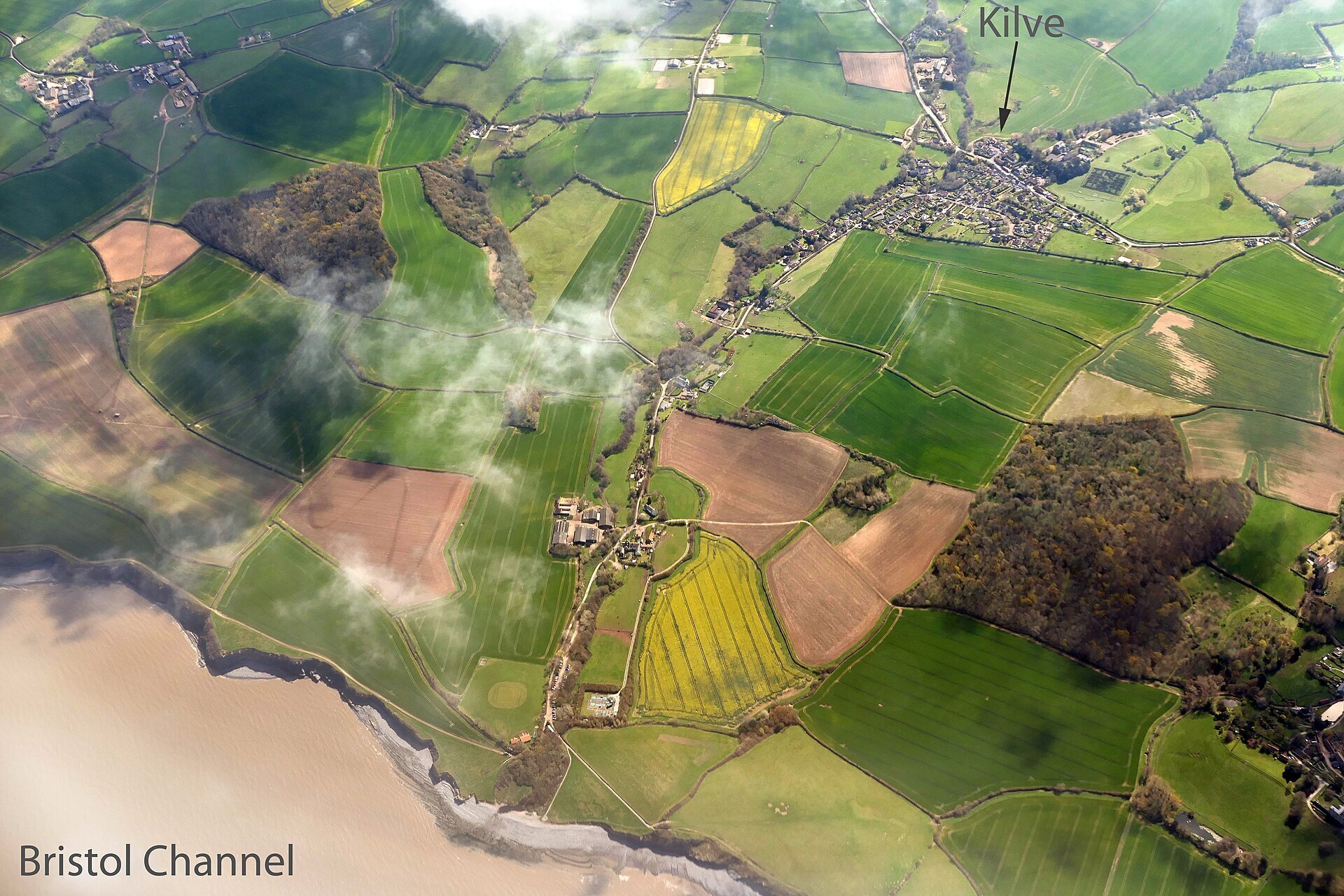
Kilve sits directly on the A39, the Bridgwater to Williton and Minehead road, which is both its main asset and something to consider when viewing. Bridgwater is about twelve miles east and takes twenty to twenty-five minutes; Williton is roughly five miles west and Minehead about fourteen. Bridgwater is where you find the supermarkets, the railway station on the Bristol to Taunton line, and M5 Junctions 23 and 24, so the practical run to the motorway is around twenty-five minutes. Taunton is roughly forty minutes by road. The West Somerset Railway has stations at Williton and Doniford Halt a few miles west, but that is a heritage line rather than a commuter service. Bus services along the A39 exist but are limited. Sea Lane runs north from the village down to the beach, a walk of a few minutes.
The Beach, The Chantry And The Oil Retort
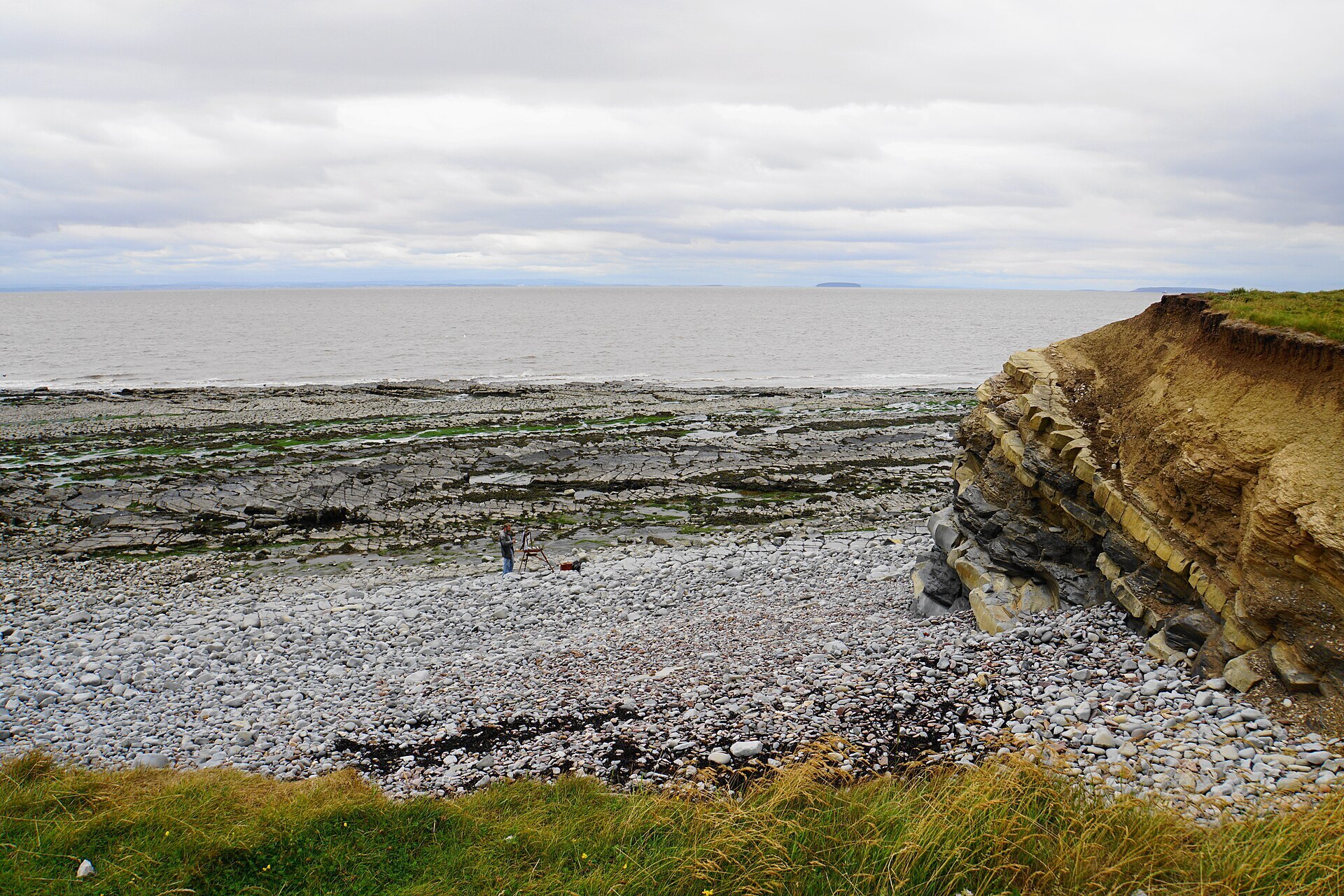
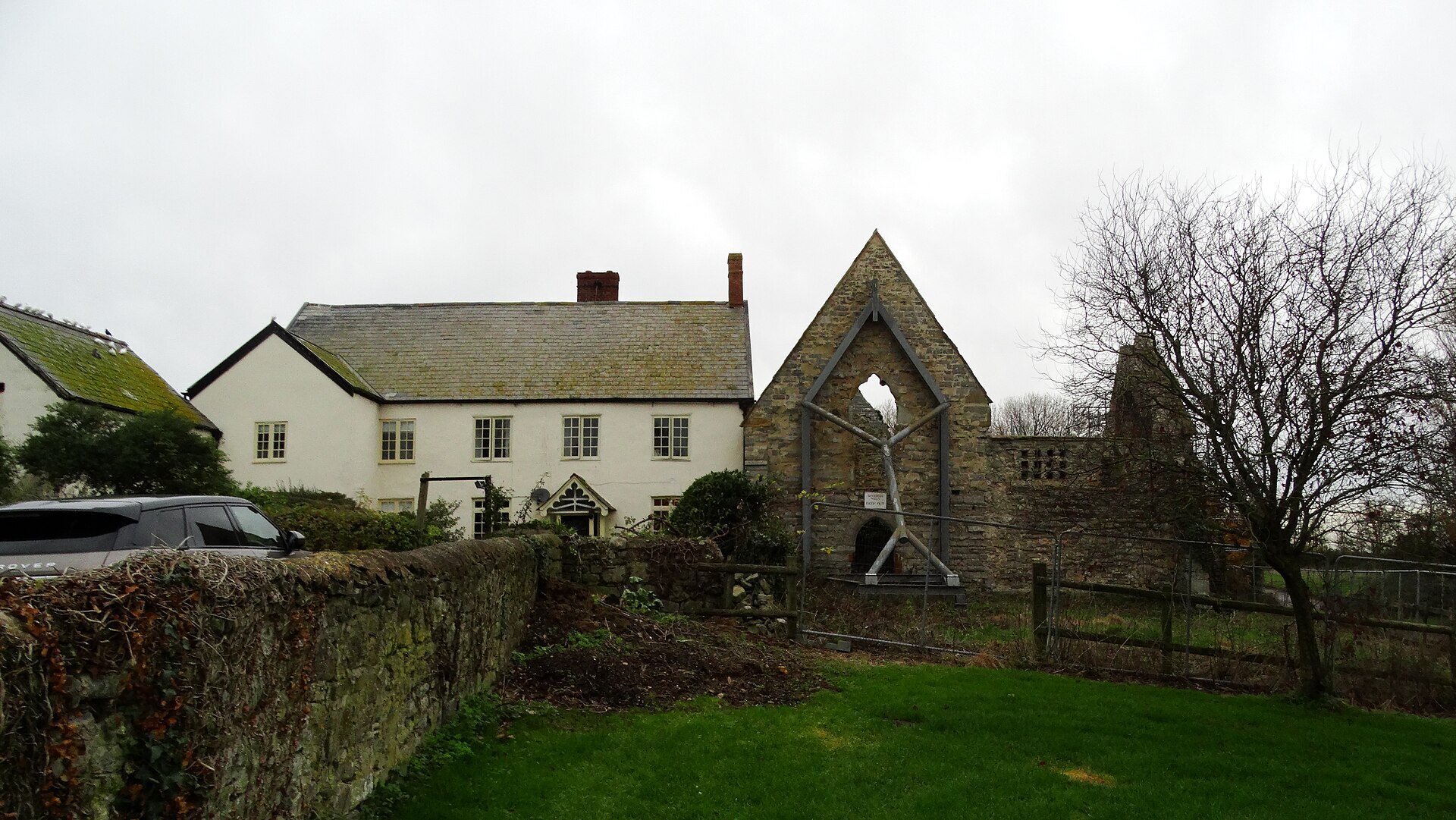
Kilve has an unusual amount of interest for a village of three hundred and fifty people. The beach is the main event: a wave-cut platform of Early Jurassic Lias, banded limestone and mudstone, forming part of the Blue Anchor to Lilstock Coast Site of Special Scientific Interest, notified in 1971. It is one of the better known fossil coasts in the West Country, producing ammonites, shells, fish and, along this stretch, complete marine reptile skeletons, and a fossilised ichthyosaur skull found locally is attached to the village dragon legend of Blue Ben. Wordsworth, staying at Alfoxton nearby, wrote of "Kilve's delightful shore". On the lane down to the beach stand two more curiosities: the remains of Kilve Chantry, founded in 1329 and now on Historic England's Heritage at Risk register, and a red brick oil retort house built in 1924 when the cliff shale was found to be rich in oil, a venture that failed and left a listed industrial folly standing in a field. Kilve Court, a Georgian country house of 1782 to 1785 incorporating an earlier dwelling, is now a residential outdoor education centre and one of the village's principal institutions. Kilve is within the Quantock Hills National Landscape, formerly the Quantock Hills AONB and designated in 1956 as England's first, and it is one of the very few points where that designated area meets the sea.
How selling with GTH works
Book Your Market Appraisal
A valuer will visit your property, walk around it with you, and provide a considered figure with evidence behind it. There is no obligation and no charge.
Prepare And Launch
We handle photography, floorplans, EPC and copy, then list across Rightmove, Zoopla, OnTheMarket and gth.net, and put your property in front of our registered applicant list.
Viewings And Offers
We carry out accompanied viewings, feed back honestly after each one, and check every offer for proceedability before you make a decision.
Sale Agreed To Completion
Your branch chases solicitors, surveyors and the chain on your behalf, and keeps you updated until the keys change hands.
Property Types And The Market In Kilve
This is a small market and it should be approached as such. The stock is low-density and traditional: red sandstone and rubble-stone cottages and farmhouses, some thatched, predominantly seventeenth to nineteenth century, with a limited amount of twentieth-century infill and very few modern houses. Because Kilve sits inside the Quantock Hills National Landscape, planning is tightly controlled and the supply of new housing is minimal, which supports values in existing property and makes extension and alteration potential a significant part of what a buyer is assessing. Position within the village matters more than usual: the A39 runs through the middle, so setback and screening affect both amenity and price, while properties on Sea Lane and towards the coast trade on their proximity to the beach. Thatch and traditional stone construction bring their own maintenance requirements and buyers unfamiliar with them should commission a proper survey from someone who understands traditional building methods. Sales here are infrequent and the buyer is usually from outside the area, often someone who has decided specifically on this coast rather than on Somerset generally, so marketing period tends to be longer and pricing at the outset matters more than reducing later. Our Bridgwater team can give you a realistic view of both.