
Estate & Letting Agents in Kingston Seymour
Our Bristol, Redhill branch covers Kingston Seymour, a small parish on the North Somerset Levels between Clevedon and the Yeo, where most of the land lies below sea level.
Opening hours
- Mon: 09:00-17:30
- Tue: 09:00-17:30
- Wed: 09:00-17:30
- Thu: 09:00-17:30
- Fri: 09:00-17:30
- Sat: 09:00-13:00
- Sun: Closed
Meet the team

Looking to sell or let your Ilfracombe property?
We’re here to make the process easier and get you the best possible outcome.

Getting Around And Getting Away
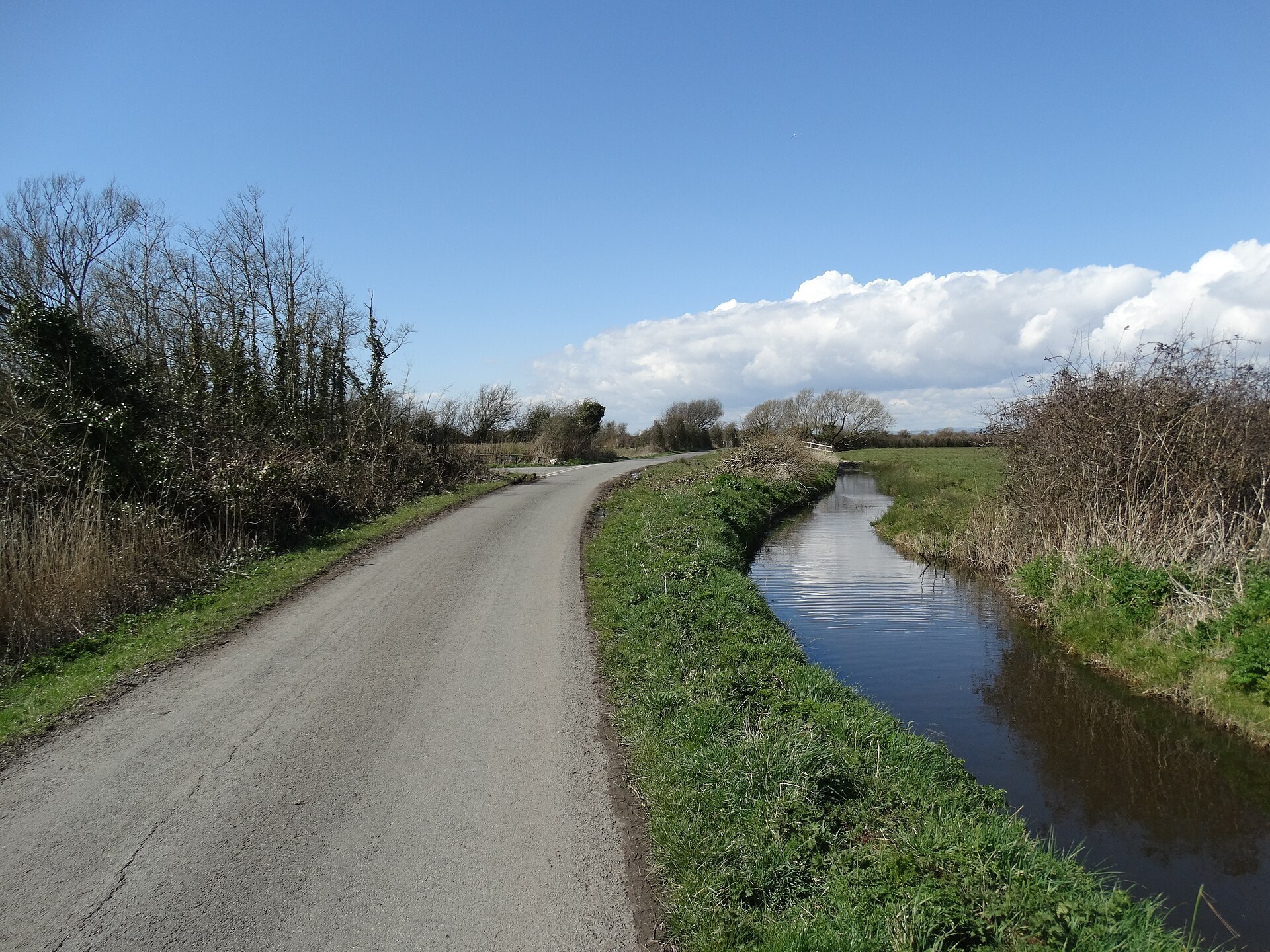
Kingston Seymour is reached on minor lanes only. There is no A-road, and although the M5 runs along the eastern edge of the parish there is no junction here, so motorway access is at Junction 20 at Clevedon or via the B3133 and A370 to Junction 21. Clevedon is about four miles north and Weston-super-Mare six miles south, and those two cover most everyday needs. Yatton station is around three miles east, with two trains an hour each way, sixteen to twenty minutes into Bristol Temple Meads and direct London Paddington services, which makes the commute more workable than the village's remoteness suggests. Our office at Redhill is about eight miles east. There is effectively no useful bus service, and it shows in the numbers: over ninety-five per cent of households here have at least one car and three-quarters have two or more, well above both the district and national figures. That is a direct consequence of having no shop, no school and no surgery, and it is a practical fact worth planning for.
Below Sea Level, And The Flood Of 1607
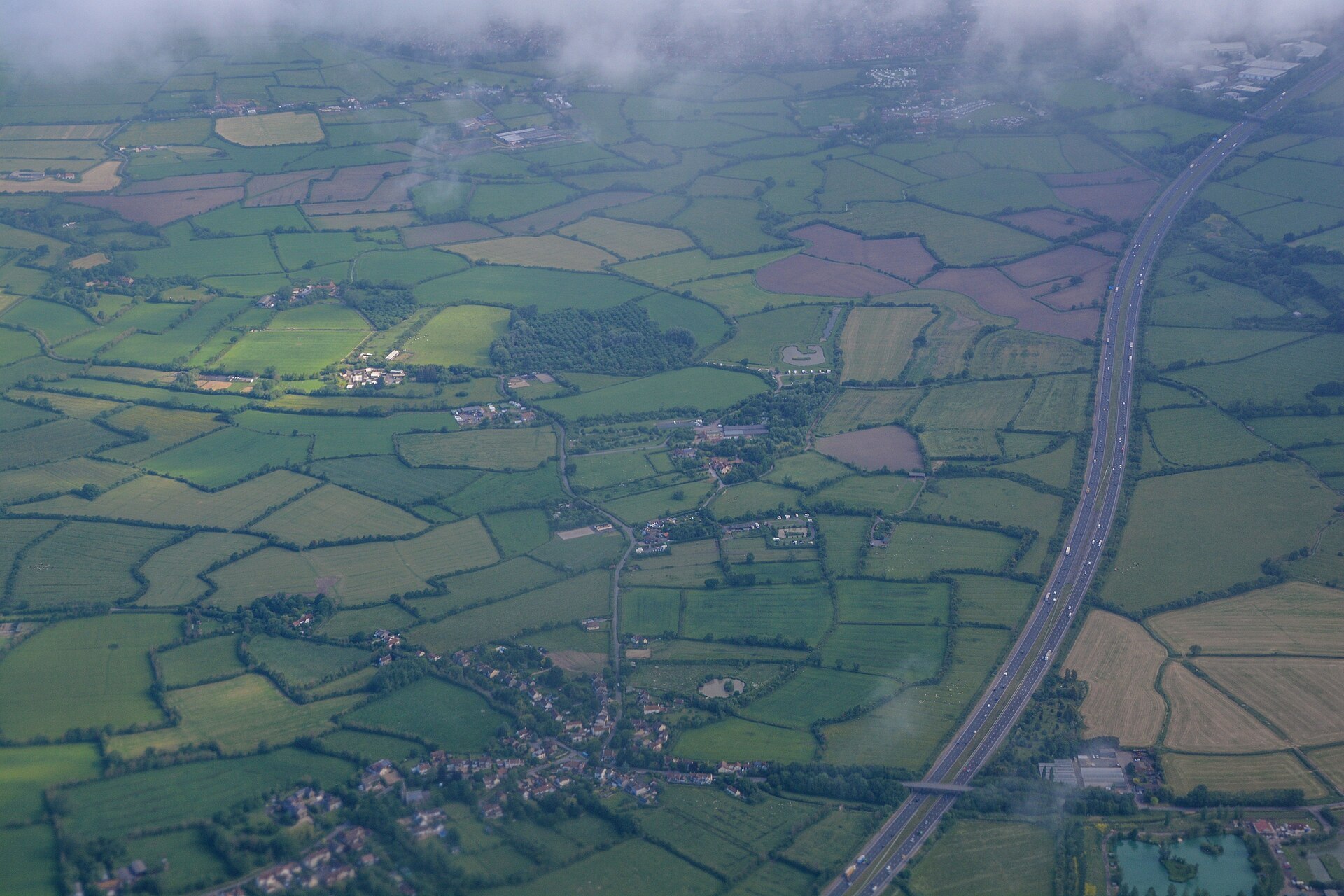
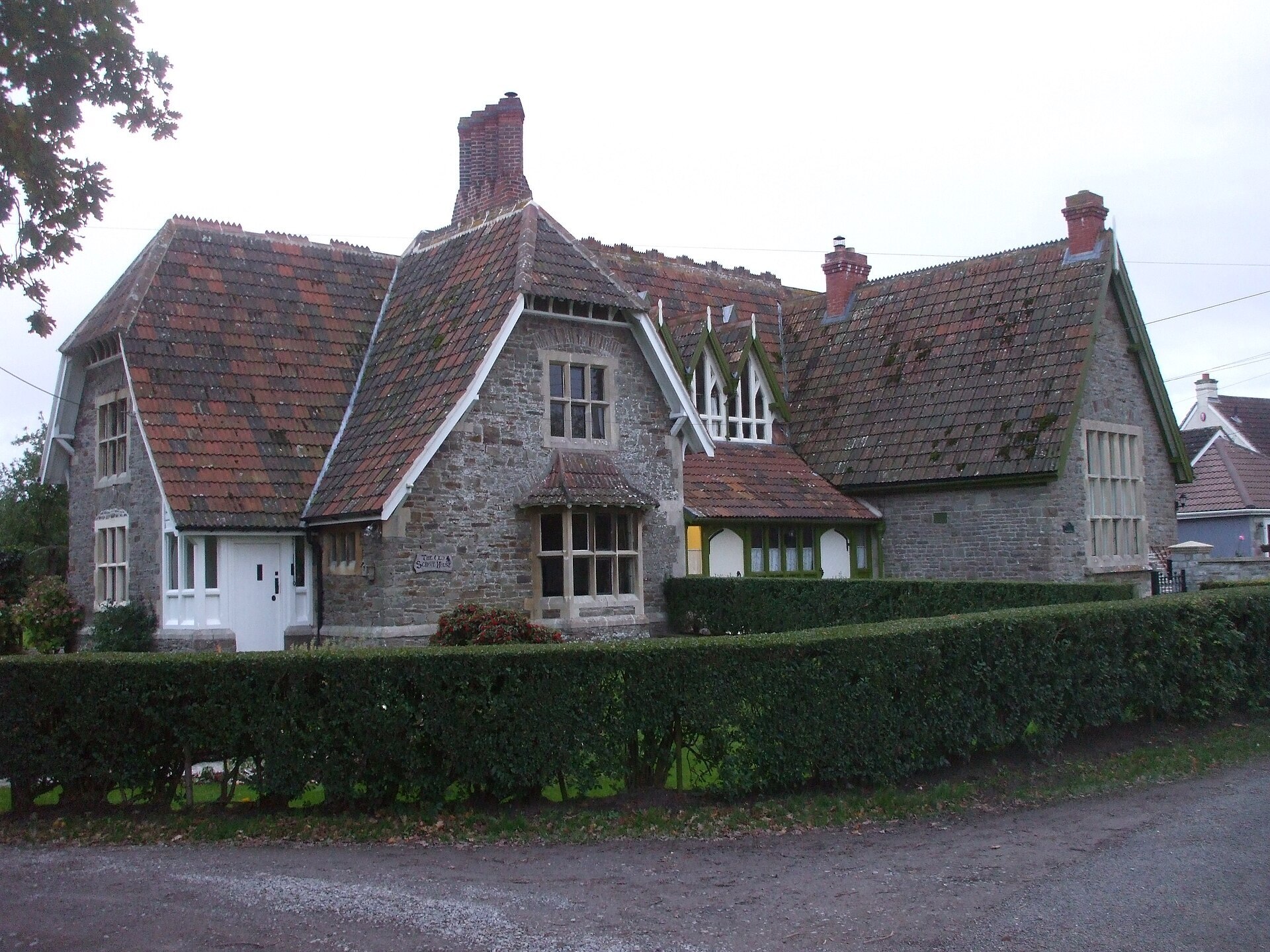
Kingston Seymour's defining characteristic is stated plainly by its own parish council: the village largely lies beneath sea level. It is rhyne-drained grazing marsh behind a sea embankment, and the landscape of ditches, droves and the sea bank is the physical fact of the place. That geography produced one of the most famous events in the history of the Bristol Channel. On 30 January 1607, the sea walls were breached and the church held about five feet of water for ten days; the water rose over the tops of the pews and filled the font. A plaque in the church porch records it, dated 1606 because the old-style calendar year began in March, and a chiselled mark records a maximum water height of 7.74 metres above ordnance datum. The cause is still argued about: a minority of researchers have proposed a tsunami, but the mainstream scientific view is that it was a storm surge, and that a storm surge on that date is sufficient to explain the inundation. Beyond the flood, the parish has a late medieval village cross on the Triangle, Blake's Pools nature reserve on the Congresbury Yeo, and a former school building of 1858 now in private hands.
How selling with GTH works
Book Your Market Appraisal
A valuer will visit your property, walk around it with you, and provide a considered figure with evidence behind it. There is no obligation and no charge.
Prepare And Launch
We handle photography, floorplans, EPC and copy, then list across Rightmove, Zoopla, OnTheMarket and gth.net, and put your property in front of our registered applicant list.
Viewings And Offers
We carry out accompanied viewings, feed back honestly after each one, and check every offer for proceedability before you make a decision.
Sale Agreed To Completion
Your branch chases solicitors, surveyors and the chain on your behalf, and keeps you updated until the keys change hands.
Property Types And The Market In Kingston Seymour
The housing profile here is unusual and well documented. Around ninety-three per cent of residents live in detached or semi-detached houses, against roughly sixty-three per cent across North Somerset and just over half nationally, and more than eight in ten households own their home. Social renting is negligible. What that produces is a market of individual houses on generous plots, held for long periods, coming to the market infrequently and selling to buyers who have decided specifically on this landscape. Values are driven by plot, condition, outlook across the levels and, above all, by flood position and the practical questions that follow from it: ground level, any resilience work, insurance history and what a lender will accept. Those questions are not obstacles so much as things to have answers to before you market, and a well-prepared property with clear documentation sells considerably more easily here than one where the buyer has to find out for themselves. The Environment Agency completed flood defence works in 2016, the shoreline policy for this frontage is understood locally to be one of maintaining and strengthening existing defences, and the last significant flood was in 1981. Our Redhill team can help you assemble the right information before you go to market.